






The most important steps to follow in case of fire to protect lives

Fire is one of the most dangerous incidents that individuals and institutions may face. It causes severe property damage and can lead to loss of life if not controlled in time. Therefore, it is important to know the steps to follow in case of fire, ensuring proper response and the use of safety tools to reduce damage and losses.
steps to follow in case of fire:
Step One: Activate the Alarm Systems
The first action when a fire occurs is to activate the alarm systems. These devices are an essential part of any safety system in facilities, producing loud sounds or light signals to warn everyone of danger. Alarms help evacuate buildings quickly and allow immediate intervention by the relevant authorities.
Step Two: Report the Fire
After activating the alarms, immediately contact civil defense or local fire departments and provide accurate details about the fire’s location and type. Fast reporting is critical to reduce fire spread and protect lives and property.
Step Three: Use Safety Equipment
Safety equipment is essential for dealing with early-stage fires, including:
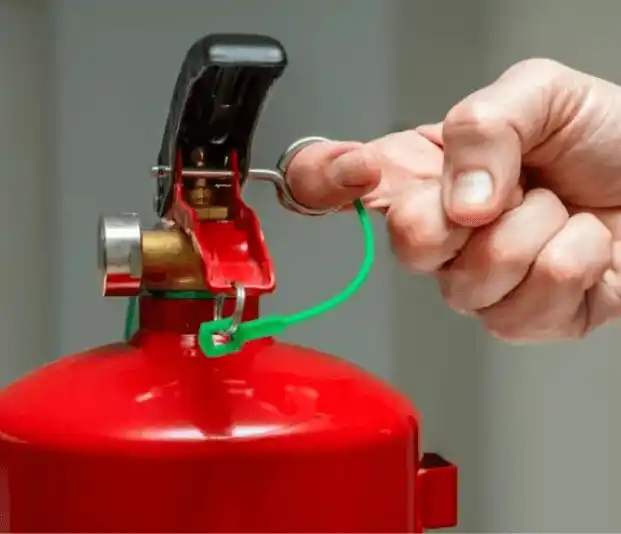
- Fire extinguishers: Must be available in all buildings, and employees should be trained in their use. Different extinguishers are designed for specific fire types, such as flammable liquid or electrical fires.
- Fire-resistant blankets: Used to cover small flames or protect individuals during evacuation.
- Respiratory masks: Help protect against smoke and toxic gas inhalation.
Step Four: Operate Fire Suppression Systems
Fire suppression systems play a major role in controlling fires. These include automatic sprinkler systems that activate when detecting heat or smoke. Additionally, there are suppression systems using CO₂ or chemical agents, commonly used in sensitive areas like server rooms or factories. See our firefighting systems.
Step Five: Safe Evacuation
Evacuation is a vital part of any fire response plan. Emergency exits must be clearly marked and regularly practiced. During evacuation:
- Follow the instructions outlined in the emergency plan.
- Avoid elevators, as they may fail during a fire.
- Move quickly yet calmly to prevent panic and injuries.
Step Six: Cooperate with a Safety Company
Working with a specialized safety company ensures facilities are protected from fires and other risks. Such companies provide full services, including installation of alarms and suppression systems, periodic inspections, and staff training. They also help obtain safety certificates from authorities, confirming compliance with regulations.
Step Seven: Damage Assessment and Recovery
Once the fire is completely extinguished, damage should be carefully assessed and documented. Insurance providers may cover recovery costs. The affected site should be rehabilitated, and modern systems installed to prevent recurrence.
Tips to Prevent Future Fires
- Install modern alarm and automatic suppression systems.
- Ensure safety tools are available throughout the facility.
- Conduct regular training for staff and students on emergency responses.
- Inspect electrical wiring and equipment for safety.
- Work with a safety company for regular professional inspections.
Conclusion
Dealing with fires requires high preparedness and strict adherence to preventive procedures. Using safety tools, effective suppression systems, and cooperating with a professional safety company greatly enhances protection for people and property. Obtaining a safety certificate boosts confidence in a facility’s commitment to safety standards. Always remember prevention is the first step toward avoiding disasters.
FAQ
What is the first thing to do in case of fire?
The first step is to stay calm and immediately alert everyone nearby. Activate the fire alarm if available and call emergency services right away.
Should I try to extinguish the fire myself?
Only attempt to extinguish the fire if it is small, manageable, and you have the correct fire extinguisher. If the fire spreads quickly, evacuate immediately.
What should I do if there is heavy smoke?
Stay low to the ground where the air is cleaner. Cover your nose and mouth with a cloth if possible, and move toward the nearest safe exit.
How should I evacuate safely during a fire?
Use stairs instead of elevators, follow marked exit routes, and assist children, elderly individuals, or people with disabilities if safe to do so.