





Fire Alarm Maintenance: A Complete and Practical Guide for Safety

Fire alarm maintenance is one of the most critical fire safety services for any building. Whether you manage a commercial facility, residential building, warehouse, hospital, or office, a properly maintained fire alarm system can mean the difference between early fire detection and catastrophic loss. This in‑depth guide explains everything you need to know about fire alarm maintenance, how it works, how often it should be done, and how professional service providers like Alsafi Company help keep people and property safe.
What Is Fire Alarm Maintenance?
Fire alarm maintenance is the process of inspecting, testing, cleaning, repairing, and documenting fire detection and alarm systems to ensure they function correctly at all times. It is not limited to fixing faults it is a preventive service designed to detect issues before an emergency occurs.
Fire alarm maintenance applies to all types of alarm systems, including:
- Conventional fire alarm systems
- Addressable fire alarm systems
- Intelligent and networked fire alarm systems
Proper maintenance ensures compliance with safety regulations, reduces false alarms, and guarantees reliable performance during real fire incidents.
How to Maintain a Fire Alarm System?
Maintaining a fire alarm system requires both routine user checks and professional servicing. A complete maintenance approach includes:
- Inspecting the fire alarm control panel for faults or warning indicators
- Testing smoke detectors, heat detectors, and flame detectors
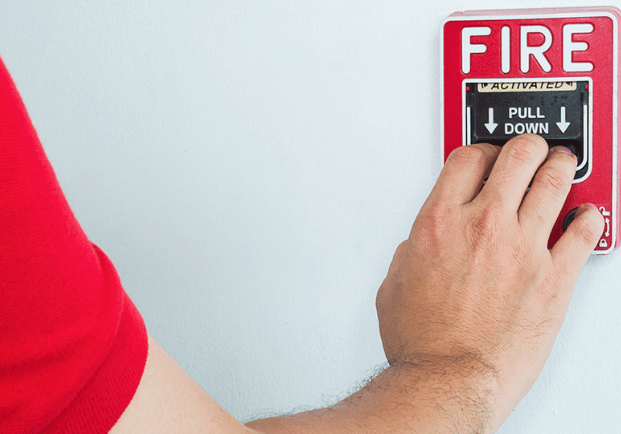
- Checking manual call points and emergency buttons
- Verifying audible alarms, sirens, and visual indicators
- Inspecting cables, connections, and devices for damage
- Testing backup batteries and power supplies
For full reliability and legal compliance, maintenance should always be carried out according to manufacturer guidelines and local civil defense requirements. Contact us to ensure your fire alarm system meets all safety standards and operates without risk.
Step‑by‑Step Guide to Maintaining Your Fire Alarm System
1. Visual Inspection
Check the control panel, detectors, and alarm devices for physical damage, obstruction, or signs of malfunction.
2. Alarm and Device Testing
Test smoke detectors, heat detectors, manual call points, and sounders to confirm they activate correctly and communicate with the control panel.
3. Battery and Power Supply Check
Ensure main power and backup batteries are functioning properly. Weak batteries are a common cause of system failure.
4. Cleaning and Calibration
Dust, humidity, and environmental factors can affect detectors. Cleaning sensors helps prevent false alarms and detection delays.
5. System Reset and Reporting
After testing, reset the system and document all inspection results, faults, and corrective actions.
6. Professional Servicing
Schedule inspections with certified fire safety specialists for advanced testing, compliance checks, and official reporting.
How Often Should a Fire Alarm System Be Serviced?
Service frequency depends on building type, system design, and regulations. General best practices include:
- Weekly: Basic alarm tests and panel checks (user level)
- Monthly: Visual inspection and battery status checks
- Quarterly or Semi‑Annually: Professional testing of detectors and devices
- Annually: Full system inspection, certification, and compliance documentation
Regular servicing ensures your fire alarm system is always ready to respond during emergencies.
Common Issues in Fire Alarm Systems and How to Fix Them
False Alarms
Often caused by dust, steam, or environmental conditions. Regular cleaning and detector calibration reduce this risk.
Low Battery Warnings
Backup batteries degrade over time. Replacing them during scheduled maintenance prevents system shutdown.
Faulty Detectors
Damaged or expired detectors must be repaired or replaced to maintain detection accuracy.
Sounder or Notification Failure
This may result from wiring issues or device faults and requires professional inspection.
Routine maintenance helps identify and resolve these issues before they affect safety.
Why Regular Fire Detection and Alarm System Maintenance Is Crucial?
Regular fire alarm maintenance provides critical benefits:
- Early detection of fire and smoke
- Reduced false alarms and operational disruption
- Protection of occupants, assets, and operations
- Compliance with civil defense, insurance, and legal requirements
- Extended lifespan of fire alarm equipment
Neglecting maintenance can lead to system failure, legal penalties, and increased risk to lives and property.
Key Components of a Fire Detection and Alarm System
A complete fire detection and alarm system typically includes:
- Fire alarm control panel
- Smoke detectors and heat detectors
- Manual call points
- Audible and visual alarm devices
- Power supply units and backup batteries
- Monitoring and communication modules
Each component must be inspected and tested regularly to ensure the entire system works as one unit.
How AlSafi Safety Company Ensures Your Fire Safety Systems Are Always Operational
Alsafi Company provides professional fire alarm maintenance services tailored to commercial and residential buildings. Our certified technicians handle inspection, testing, repair, documentation, and compliance reporting to ensure your fire alarm systems operate reliably at all times.
If you are looking for trusted experts in fire alarm maintenance or need support for your alarm systems, get in touch with our team for professional fire safety solutions.
Frequently Asked Questions (FAQ)
What is included in fire alarm maintenance?
Fire alarm maintenance includes inspection, testing, cleaning, battery replacement, fault repair, and professional servicing of all system components.
Who is responsible for fire alarm maintenance?
Building owners, landlords, and facility managers are responsible for ensuring fire alarm systems are maintained and compliant.
Can regular maintenance reduce false alarms?
Yes. Proper maintenance significantly reduces false alarms caused by dust, humidity, or faulty detectors.
Is professional fire alarm servicing mandatory?
Yes. Professional servicing is required to meet safety regulations and ensure system reliability.