






Fire Hydrant System: Components, Types & How It Works?

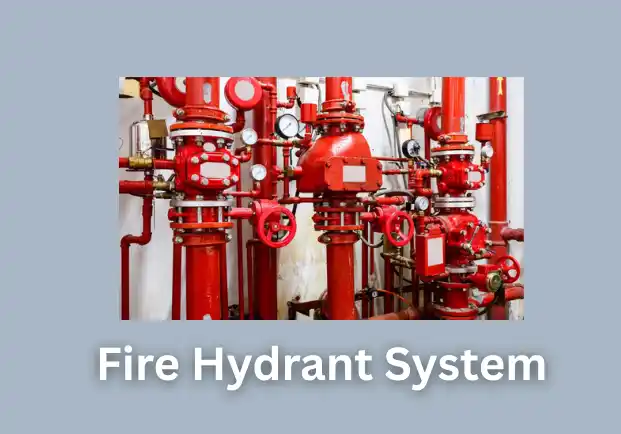
A Fire Hydrant System is an essential part of a building’s fire protection infrastructure, providing a reliable water supply for firefighting during an emergency. It is commonly installed in commercial buildings, industrial facilities, warehouses, residential complexes, and other large properties where portable fire extinguishers alone may not provide sufficient firefighting capacity.
A properly designed hydrant system allows trained personnel and firefighters to access pressurized water through strategically positioned hydrants, hose connections, and associated equipment. The system must be correctly designed, installed, tested, and maintained to ensure that adequate water flow and pressure are available when needed.
What is a Fire Hydrant System?
A Fire Hydrant System is a fixed firefighting system consisting of a network of pipes, valves, hydrants, hose connections, and other components designed to deliver water to designated firefighting points throughout a property.
The system is normally connected to a dedicated fire-water supply and may include fire pumps, a fire water tank, control valves, pressure gauges, hose reels, and fire hose cabinets, depending on the building’s design and applicable requirements.
Unlike portable firefighting equipment, a hydrant system provides a continuous water source that can be used to control or suppress a fire over a larger area. The system’s design depends on factors such as the building’s size, occupancy, fire risk, water demand, and applicable fire safety requirements.
Types of Fire Hydrant Systems
Fire hydrant systems can be designed in different configurations depending on the type and size of the facility, the required firefighting capacity, and the available water supply.
Wet Hydrant System
A wet hydrant system keeps the firefighting pipe network filled with water under pressure. When a hydrant or hose connection is opened, water is immediately available for firefighting.
Wet systems are commonly used in buildings where temperatures remain above freezing and where a constant water supply is required.
Dry Hydrant System
A dry hydrant system does not normally contain water in the distribution piping. Instead, the system is supplied with water when required during an emergency.
This configuration can be suitable for certain environments or locations where maintaining water-filled pipes is not practical. The exact application depends on the building design and local fire protection requirements.
Automatic Wet Systems
Some fire protection installations integrate automatic water-based protection with other fixed firefighting systems. Depending on the facility, hydrant networks may work alongside automatic sprinkler systems, fire pumps, and other fire protection equipment to provide comprehensive coverage.
The appropriate configuration should always be determined through a professional fire protection design rather than selecting a system based solely on the building type.
Choosing the right type of Fire Hydrant System depends on factors such as the size of the facility, its fire risks, water supply, and applicable safety requirements. If you need help determining the most suitable fire hydrant system for your facility, contact Al Safi Safety for professional guidance and reliable fire protection solutions tailored to your project’s requirements.
How a Fire Hydrant System Works?
The basic purpose of a Fire Hydrant System is to deliver sufficient water to firefighting points at the required pressure and flow.
A typical system works through the following components:
- Fire Water Tank: Stores an adequate quantity of water dedicated to firefighting.
- Fire Pumps: Pump water through the fire protection network and maintain the required pressure.
- Pipe Network: Distributes water throughout the protected premises.
- Control Valves: Regulate and isolate sections of the system when required.
- Hydrants and Hose Connections: Provide access points where firefighting hoses can be connected.
- Fire Hose Cabinets: Store hoses and associated firefighting equipment in accessible locations.
- Pressure Gauges: Help monitor system pressure and identify potential problems.
When a firefighting point is opened or activated, water flows through the pipe network to the required location. The fire pump system supports the water supply by maintaining the pressure and flow needed for firefighting operations.
For larger facilities, the design may include multiple pumps, such as an electric fire pump, diesel fire pump, and jockey pump, to maintain system pressure and provide reliable operation under different conditions.
Read About: Types of fire pumps
Why Fire Hydrant Systems Are Important in Fire Protection?
Fire can spread rapidly, particularly in large commercial, industrial, and storage facilities. A Fire Hydrant System provides a dedicated firefighting water network that can help trained personnel and emergency responders respond to a fire quickly.
One of the main advantages of a hydrant system is its ability to provide significantly more water than a portable extinguisher. This makes it particularly valuable for larger buildings and facilities where the potential fire load is high.
A properly designed system can:
- Provide accessible firefighting water throughout a facility.
- Support rapid emergency response.
- Deliver the required water flow and pressure to firefighting points.
- Complement other fire protection systems.
- Help protect people, property, equipment, and business operations.
- Provide a reliable firefighting infrastructure for large or high-risk facilities.
However, a hydrant system is only effective when its components are properly designed, installed, accessible, and maintained.
Fire Hydrant System Installation Process
Installing a Fire Hydrant System requires professional planning and engineering to ensure that the network can provide the required water flow and pressure throughout the protected area.
1. Site Assessment
The process begins with an assessment of the building, its occupancy, fire hazards, floor area, number of floors, water supply, and other relevant conditions.
2. Fire Protection Design
A qualified fire protection professional develops the system design, including the pipe network, hydrant locations, water demand, fire pump requirements, valves, and other components.
3. Selection of Equipment
The appropriate pipes, hydrants, valves, pumps, hoses, cabinets, gauges, and other components are selected according to the approved design and applicable standards.
4. Pipe Network Installation
The fire protection piping is installed throughout the facility and connected to the designated water supply and firefighting points.
5. Installation of Hydrants and Fire Hose Cabinets
Hydrants, hose connections, and fire hose cabinets are positioned in accessible locations so that firefighting equipment can be reached quickly during an emergency.
6. Fire Pump and Water Tank Installation
Where required, the fire water tank and pump assembly are installed and connected to the hydrant network.
7. Testing and Commissioning
After installation, the system is tested to verify that the components operate correctly and that the required water flow and pressure can be achieved.
A professional inspection and commissioning process is essential before the system is placed into service.
Fire Hydrant System Maintenance and Inspection
Regular Fire Hydrant System maintenance and inspection are essential to ensure that the system remains operational when an emergency occurs. A system that has been installed correctly can still become unreliable because of damaged components, corrosion, blocked pipes, closed valves, pressure problems, or inadequate maintenance.
Maintenance activities may include:
- Inspecting hydrants and hose connections.
- Checking valves and ensuring they remain accessible.
- Testing fire pumps and associated equipment.
- Checking system pressure.
- Inspecting fire hoses and hose cabinets.
- Looking for leaks, corrosion, or physical damage.
- Testing the water supply and system performance.
- Verifying that access to firefighting equipment is unobstructed.
- Recording inspection and maintenance activities.
The frequency and scope of testing should be based on the system design, applicable standards, manufacturer recommendations, and local fire safety requirements.
Also Read About: Maintenance contract
Choosing a Fire Hydrant System Provider
Choosing the right Fire Hydrant System provider is an important step in ensuring reliable fire protection. The provider should have the technical expertise required to assess the facility, design an appropriate system, install the necessary equipment, and provide ongoing maintenance.
Before choosing a provider, consider:
Experience and Technical Expertise
Look for a company with experience in designing and installing fire protection systems for facilities similar to yours.
Complete Fire Protection Solutions
A provider that can handle related systems such as fire pumps, fire sprinkler systems, fire alarm systems, fire extinguishers, and fire protection equipment can make it easier to coordinate the overall fire protection strategy.
Compliance With Applicable Requirements
Make sure the provider understands the applicable fire safety regulations, standards, and approval requirements for your location and type of facility.
Installation and Maintenance Services
A good provider should offer more than installation. Ongoing inspection, testing, maintenance, and troubleshooting are important for keeping the system operational over time.
Professional Assessment
Avoid selecting a system based solely on price. A professional site assessment and properly engineered design are essential for determining the appropriate system for your facility.
If you need a professionally designed and installed Fire Hydrant System, contact Al Safi Safety to discuss your facility’s fire protection requirements and find a suitable solution for your project.
Frequently Asked Questions About Fire Hydrant Systems
What is the main purpose of a Fire Hydrant System?
The main purpose of a Fire Hydrant System is to provide a reliable and accessible water supply for firefighting. It distributes water through a dedicated network to hydrants and hose connections throughout a protected facility.
What are the main components of a Fire Hydrant System?
A typical system may include a fire water tank, fire pumps, piping, hydrants, valves, pressure gauges, hose connections, and fire hose cabinets. The exact components depend on the system design and facility requirements.
How often should a Fire Hydrant System be inspected?
Inspection and testing frequency depends on the system type, applicable standards, manufacturer recommendations, and local requirements. Regular inspections should be scheduled to identify problems before they affect system performance.
Can a Fire Hydrant System work without a fire pump?
The answer depends on the available water supply and system design. Where the existing water source cannot provide the required flow and pressure, a dedicated fire pump system may be necessary.
Is a Fire Hydrant System enough to protect a building from fire?
A hydrant system is an important component of fire protection, but it may need to work alongside other systems such as fire alarms, automatic sprinklers, portable fire extinguishers, emergency lighting, and other safety equipment, depending on the building’s risks and requirements.
What is the difference between a Fire Hydrant System and a Fire Hose Cabinet?
A Fire Hydrant System is the broader firefighting water network that supplies water to designated firefighting points. A fire hose cabinet is a specific component used to store and provide quick access to a fire hose and related equipment.
Why is regular Fire Hydrant System maintenance important?
Regular maintenance helps identify issues such as leaks, damaged hoses, blocked pipes, faulty valves, and pump or pressure problems. Maintaining the system helps ensure that firefighting water is available when it is needed.