





Electrical Fire Extinguishers: Types, Uses, and Safety Guide

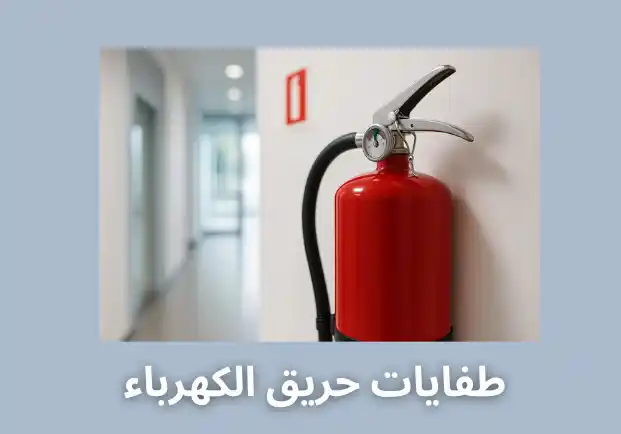
Electrical fires can occur in homes, offices, commercial buildings, factories, server rooms, and other facilities where electrical equipment is in use. Unlike ordinary fires, an electrical fire involving energized equipment requires an extinguisher that can suppress the flames without creating an additional electrical hazard. Choosing the right electrical fire extinguisher is therefore an important part of fire protection planning. In Saudi Arabia, businesses and property owners should also ensure that fire extinguishers are properly selected, installed, inspected, and maintained according to the applicable safety requirements for their facility.
What Are Electrical Fire Extinguishers?
An electrical fire extinguisher is designed to put out fires involving energized electrical equipment while minimizing the risk of electric shock or damage to sensitive equipment. Common options include CO2 fire extinguishers and certain dry powder extinguishers, depending on the type of equipment and surrounding fire hazards.
Electrical fires may involve equipment such as:
- Electrical panels and distribution boards.
- Computers and office equipment.
- Motors and generators.
- Server and telecommunications equipment.
- Electrical wiring and appliances.
- Control panels and industrial machinery.
The correct extinguisher should always be selected based on the specific fire hazards present rather than relying only on the fact that electricity is involved.
Why Electrical Fires Require Specialized Protection?
Water can conduct electricity, which means using a water-based extinguisher on energized electrical equipment can create a serious electric shock hazard. It can also spread the danger to nearby areas.
Electrical fire protection requires an extinguishing agent that is appropriate for energized equipment. CO2 extinguishers, for example, discharge a non-conductive gas and leave little to no residue, making them particularly useful around electrical and electronic equipment.
However, the electrical supply should be isolated safely whenever possible before attempting to extinguish the fire.
What Defines a Class C Fire?
Fire classifications can vary between standards and regions, so it is important to use the classification system applicable to the equipment and regulations being followed.
In systems where Class C refers to fires involving energized electrical equipment, these fires can occur in electrical panels, wiring, appliances, machinery, and other powered equipment.
Once the electrical supply has been safely disconnected, the fire may be treated according to the combustible material actually burning. For example, burning plastic insulation may present an ordinary combustible hazard in addition to the electrical hazard.
Common Causes of Electrical Fires
Electrical fires can result from several problems involving equipment, wiring, installation, or maintenance.
Common causes include:
- Overloaded electrical circuits.
- Damaged or deteriorated wiring.
- Loose electrical connections.
- Faulty plugs and sockets.
- Short circuits.
- Overheated electrical equipment.
- Improperly installed electrical systems.
- Poor maintenance.
- Extension cords used beyond their rated capacity.
- Defective appliances or machinery.
- Accumulation of dust around electrical equipment.
Regular inspection and proper electrical maintenance can help identify hazards before they develop into a fire.
The Risks of Using the Wrong Extinguisher
Using the wrong fire extinguisher types can make an emergency more dangerous. Water-based extinguishers, for example, should not be used on energized electrical equipment because of the risk of electric shock.
The wrong extinguishing agent can also:
- Spread the fire.
- Damage sensitive equipment.
- Create additional hazards for occupants.
- Leave contamination or residue.
- Prevent effective fire suppression.
Before using an extinguisher, check its label and make sure it is rated for the specific fire hazard.
Which Fire Extinguisher is Used For Electrical Fire?
For many electrical fire hazards, CO2 fire extinguishers are a preferred option because carbon dioxide is electrically non-conductive and does not leave a powder residue.
Dry powder extinguishers may also be suitable for certain electrical fire situations, particularly where other combustible materials are present. However, dry powder can leave significant residue and may not be ideal for sensitive electronic equipment.
The appropriate choice depends on the equipment, surrounding materials, fire risk, and applicable safety requirements.
Types of Electrical Fire Extinguishers
CO2 Fire Extinguishers
CO2 extinguishers are commonly used for electrical equipment and fires involving flammable liquids. They are particularly useful in areas containing computers, electrical panels, control equipment, and other sensitive machinery because they do not leave the powder residue associated with dry chemical extinguishers.
Dry Powder Fire Extinguishers
Fire extinguishers dry powder can provide versatile protection for several fire hazards and may be suitable for electrical equipment depending on the extinguisher’s rating and the surrounding fire risks.
They are commonly considered for workshops, industrial areas, and locations where electrical equipment exists alongside ordinary combustibles or flammable materials.
Clean Agent Extinguishers
Clean agent extinguishers can be appropriate for sensitive electronic environments where minimizing residue and equipment contamination is important. Their suitability depends on the specific agent, equipment, room conditions, and applicable requirements.
How to Choose the Right Electrical Fire Extinguisher?
Choosing an electrical fire extinguisher should begin with a proper assessment of the fire hazards in the area.
Consider:
- Type of electrical equipment – Determine what equipment is present and how sensitive it is to extinguishing agents.
- Other fire hazards – Identify whether paper, plastics, flammable liquids, or other combustible materials are nearby.
- Extinguisher rating – Check the extinguisher’s classification and rating before installation.
- Location – Select an extinguisher suitable for the environment and easily accessible during an emergency.
- Equipment sensitivity – CO2 or clean agents may be preferable in areas containing sensitive electronic equipment.
- Applicable requirements – Ensure the selection and installation comply with the relevant Saudi safety requirements and the facility’s fire protection design.
For larger commercial and industrial facilities, extinguisher selection should form part of an overall fire risk assessment rather than being treated as an isolated purchase. Not sure which option is right for your property? Contact us for fire-safety professional to assess your risks and help you choose the appropriate equipment.
Placement Requirements for Electrical Fire Areas
Electrical fire extinguishers should be positioned where occupants can access them quickly without having to approach an active fire unnecessarily.
Potential locations include:
- Electrical rooms.
- Main electrical panels.
- Server rooms.
- Generator rooms.
- Control rooms.
- Workshops.
- Industrial production areas.
- Areas containing electrical machinery.
The exact number, type, and placement of extinguishers should be determined according to the facility’s fire risk, layout, extinguisher ratings, and applicable requirements.
Extinguishers should remain visible, accessible, and free from obstructions. They should not be hidden behind equipment or stored in locations where occupants cannot reach them quickly.
Maintenance and Inspection Requirements for Electrical Fire Extinguishers
Fire extinguishers must remain ready for use at all times. Regular inspection and maintenance help ensure that an extinguisher will function correctly when needed.
Routine checks should include:
- Confirming the extinguisher is in its designated location.
- Checking for visible damage or corrosion.
- Inspecting the hose, nozzle, and other components.
- Checking the safety pin and tamper seal.
- Confirming the pressure indicator is in the appropriate range where applicable.
- Checking service and maintenance information.
- Ensuring access to the extinguisher is not obstructed.
CO2 extinguishers do not normally use a conventional pressure gauge like many stored-pressure extinguishers, so their condition should be assessed using the appropriate inspection and servicing procedures.
Professional fire extinguisher maintenance should be carried out according to the manufacturer’s instructions and applicable Saudi requirements.
Common Mistakes When Using Electrical Fire Extinguishers
Several mistakes can increase the danger during an electrical fire.
Using Water on Energized Electrical Equipment
Water-based extinguishers should not be used on energized electrical equipment because of the risk of electric shock.
Choosing an Extinguisher Without Checking Its Rating
Not every extinguisher is suitable for every type of fire. Always check the label before using it.
Attempting to Fight a Large or Spreading Fire
Portable extinguishers are intended for relatively small, controllable fires. If the fire is spreading rapidly, producing heavy smoke, or blocking the escape route, evacuate immediately and contact emergency services.
Standing Too Close to the Fire
Keep a safe distance and follow the extinguisher manufacturer’s operating instructions.
Forgetting About Electrical Re-Ignition
Disconnecting the electrical supply safely is important because equipment can remain energized or generate heat even after the visible flames disappear.
Using a Discharged or Poorly Maintained Extinguisher
An extinguisher that has been discharged, damaged, or inadequately maintained may not work when required.
Why Choose AlSafi Safety for Electrical Fire Protection Solutions?
Choosing the right extinguisher is only one part of an effective electrical fire protection strategy. AlSafi Safety provides fire protection solutions for businesses and facilities in Saudi Arabia, helping customers identify suitable fire safety equipment based on their specific requirements.
Our services can help with:
- Electrical fire extinguishers.
- CO2 fire extinguishers.
- Dry powder extinguishers.
- Fire protection equipment.
- Inspection and maintenance services.
- Fire safety solutions for commercial and industrial facilities.
If you need help selecting the right electrical fire extinguisher for your facility, contact AlSafi Safety to discuss your requirements and get a suitable fire protection solution.
Frequently Asked Questions
What is the best extinguisher for an electrical fire?
CO2 extinguishers are commonly used for energized electrical equipment because carbon dioxide is electrically non-conductive and leaves no powder residue. Other extinguisher types may be appropriate depending on the surrounding fire hazards and equipment.
Can I use a water extinguisher on an electrical fire?
No. Water-based extinguishers should not be used on energized electrical equipment because they can create an electric shock hazard.
Are CO2 extinguishers suitable for electrical equipment?
Yes. CO2 extinguishers are commonly used for electrical equipment because the extinguishing agent is non-conductive and does not leave a powder residue.
Can dry powder extinguishers be used on electrical fires?
Certain dry powder extinguishers are rated for electrical fire hazards. However, the specific extinguisher rating should always be checked, and powder residue may be undesirable around sensitive electronic equipment.
Where should electrical fire extinguishers be installed?
They may be installed near electrical rooms, panels, server rooms, control rooms, generators, and other areas with significant electrical fire hazards. Exact placement depends on the facility’s risk assessment, layout, extinguisher ratings, and applicable requirements.
How often should electrical fire extinguishers be inspected?
They should be inspected and maintained regularly according to the manufacturer’s instructions and applicable Saudi safety requirements. Any extinguisher that is damaged, discharged, or otherwise unserviceable should be addressed immediately.
Should I try to extinguish an electrical fire myself?
Only attempt to use a portable extinguisher if the fire is small and you have a clear escape route, the correct extinguisher, and appropriate training. If the fire is spreading or conditions are unsafe, evacuate and contact emergency services immediately.