





Fire Extinguisher Dry Powder: Uses and Benefits

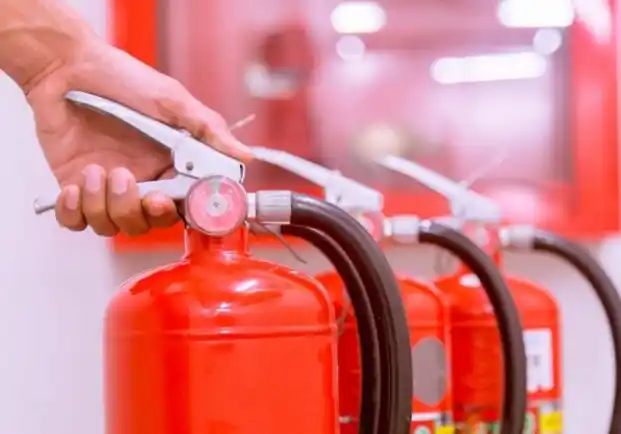
A fire extinguisher dry powder is a versatile fire protection solution commonly used in commercial, industrial, residential, and outdoor environments. Depending on its specific fire rating, it can be used to tackle several types of fires, including those involving flammable liquids, gases, and certain ordinary combustibles. Dry powder extinguishers are particularly useful in locations where multiple fire hazards may be present at the same time. However, choosing the correct extinguisher requires understanding its fire rating, limitations, and the hazards present in the facility. In Saudi Arabia, proper selection, installation, inspection, and maintenance are important parts of an effective fire safety strategy.
What Is a Fire Extinguisher Dry Powder?
- A dry powder fire extinguisher contains a specially formulated dry chemical powder that is discharged under pressure to suppress a fire. The powder works primarily by interrupting the chemical chain reaction that keeps flames burning, while also helping to separate the fire from the surrounding environment.
- Different dry powder formulations are designed for different fire hazards. Some extinguishers are rated for Class A, B, and C fires, while others are designed for more specific risks. Therefore, the extinguisher’s label and fire rating should always be checked before use.
- Dry powder extinguishers are available in different capacities, making them suitable for various applications, from smaller premises to larger commercial and industrial facilities.
What Are Dry Chemical Fire Extinguisher Used For?
Dry powder fire extinguishers can be used for different fire hazards depending on their specific classification and rating. Common applications include:
- Flammable liquids, such as petrol, diesel, oils, paints, and solvents.
- Flammable gases, where the extinguisher is specifically rated for this type of fire.
- Ordinary combustibles, such as wood, paper, and textiles, when the extinguisher carries the appropriate Class A rating.
- Certain electrical fire risks, when the extinguisher is approved and rated for energized electrical equipment.
They are commonly installed in:
- Workshops and garages.
- Warehouses and storage facilities.
- Factories and industrial facilities.
- Construction sites.
- Vehicle and equipment areas.
- Commercial premises.
- Locations where flammable liquids or gases are present.
The correct extinguisher should always be selected according to the actual fire hazards in the area rather than simply choosing a general-purpose model. If you’re unsure which dry powder fire extinguisher is right for your facility, Get in touch with AlSafi Safety for expert guidance and a suitable fire protection solution.
A dry powder fire extinguisher should not be used on cooking oil and fat fires (Class F) unless the specific extinguisher is designed and approved for this type of fire.
It is also generally unsuitable for confined areas with poor ventilation, as the discharged powder can reduce visibility and make breathing difficult.
For sensitive electrical and electronic equipment, dry powder can leave a corrosive or difficult-to-clean residue, so CO₂ or another suitable clean-agent extinguisher may be a better choice depending on the equipment and fire risk.
How Does a Dry Powder Fire Extinguisher Class Work?
- When the extinguisher is activated, pressurized gas forces the dry chemical powder through the hose or nozzle toward the fire.
- The powder suppresses the fire primarily by interfering with the chemical reactions responsible for sustaining combustion. Depending on the type of powder, it can also create a barrier between the flames and the burning material.
- For safe operation, the nozzle should generally be directed toward the base of the fire, using controlled sweeping movements. The extinguisher should only be used when the fire is small enough to manage safely and a clear escape route is available.
- If the fire is spreading rapidly or producing dangerous smoke, occupants should evacuate and contact emergency services rather than attempting to fight the fire themselves.
What Are the Advantages and Disadvantages of Fire Extinguishers Dry Powder?
Advantages
Dry powder extinguishers offer several benefits:
- Versatile protection: Some models can protect against multiple fire classes.
- Effective suppression: The powder can quickly interrupt the combustion process.
- Suitable for industrial environments: They are useful where several fire hazards may exist.
- Available in different sizes: This allows selection based on the size and risk level of the facility.
- Useful for certain electrical hazards: Appropriate models can be used on energized electrical equipment.
Disadvantages
Despite their versatility, dry powder extinguishers also have limitations:
- Powder residue: The discharged powder can spread across equipment and surfaces.
- Limited suitability for sensitive electronics: Residue may damage or contaminate delicate equipment.
- Reduced visibility: A large discharge can create a cloud of powder that makes it harder to see.
- Not suitable for every fire: The correct extinguisher rating must be confirmed before use.
- Cleaning may be required: Areas and equipment may need to be thoroughly cleaned after discharge.
For sensitive electronic environments, alternatives such as CO2 or suitable clean-agent extinguishers may be more appropriate, depending on the fire risk.
Read About: Types of fire extinguishers
Who Needs a Dry Powder Fire Extinguisher?
Dry powder extinguishers can be suitable for businesses and facilities where multiple fire hazards are present. They are commonly considered for:
- Factories and manufacturing facilities.
- Warehouses.
- Workshops.
- Garages.
- Construction sites.
- Commercial buildings.
- Vehicle storage and maintenance areas.
- Facilities handling flammable liquids or gases.
The required type and capacity depend on the facility’s fire risks, layout, equipment, and applicable safety requirements. A professional fire risk assessment can help determine where dry powder extinguishers should be installed and what ratings are required as part of a complete Firefighting Systems solution.
How to Maintain and Inspect a Dry Powder Fire Extinguisher
Regular inspection and maintenance are essential to ensure that a dry powder fire extinguisher remains ready for use.
Routine checks should include:
- Confirming that the extinguisher is in its designated location.
- Checking for visible damage, corrosion, or leakage.
- Inspecting the hose and nozzle.
- Checking the safety pin and tamper seal.
- Checking the pressure indicator where applicable.
- Ensuring the extinguisher remains accessible and unobstructed.
- Reviewing service and maintenance information.
- Arranging professional servicing according to the manufacturer’s instructions and applicable requirements.
An extinguisher that has been discharged, damaged, or found to be defective should be serviced or replaced promptly rather than returned to its normal position without inspection.
Read About: Fire extinguisher maintenance
Why Choose AlSafi Safety for Dry Powder Fire Extinguishers?
Choosing the right fire extinguisher requires more than selecting a product based on its size or price. AlSafi Safety company provides fire safety solutions in Saudi Arabia and can help businesses identify suitable dry powder extinguishers based on their specific fire risks and facility requirements.
Our fire safety solutions include:
- Dry powder fire extinguishers.
- CO2 fire extinguishers.
- Different extinguisher capacities and ratings.
- Fire safety equipment.
- Inspection and maintenance services.
- Fire protection solutions for commercial and industrial facilities.
If you need help selecting the right dry powder fire extinguisher for your facility, contact AlSafi Safety to discuss your requirements and get a suitable fire protection solution.
Frequently Asked Questions
What is a dry powder fire extinguisher used for?
Dry powder fire extinguishers can be used for several types of fires depending on their specific rating, including certain fires involving flammable liquids, gases, ordinary combustibles, and energized electrical equipment.
Can a dry powder extinguisher be used on electrical fires?
Some dry powder extinguishers are rated for energized electrical equipment. Always check the extinguisher’s label and rating before use.
Does a dry powder fire extinguisher leave residue?
Yes. Dry powder extinguishers discharge chemical powder that can settle on surrounding surfaces and equipment. Thorough cleaning may be required after use.
Are dry powder extinguishers suitable for vehicles?
They can be suitable for certain vehicle fire risks, provided the extinguisher has the appropriate rating and capacity for the hazards involved.
How often should a dry powder fire extinguisher be inspected?
Inspection and maintenance should be carried out at the intervals required by the manufacturer and applicable safety requirements. Extinguishers should also be visually checked regularly to ensure they remain accessible and in good condition.
What is the difference between a dry powder and CO2 fire extinguisher?
Dry powder extinguishers are generally more versatile for multiple fire hazards but leave powder residue. CO2 extinguishers leave little residue and are commonly used around electrical and sensitive electronic equipment, although they have different fire-fighting limitations.
What fire extinguisher contains dry powder?
A dry powder fire extinguisher, also known as a dry chemical extinguisher, contains a specially formulated powder designed to suppress fires. Common types include ABC powder extinguishers, which are suitable for Class A, B, and C fires, depending on their certification and rating.
Which type of powder is used in a fire extinguisher?
Common dry chemical extinguishing agents include monoammonium phosphate, sodium bicarbonate, and potassium bicarbonate. The type of powder depends on the extinguisher’s intended fire classes and application.
Can a dry powder fire extinguisher be refilled after use?
Yes, many dry powder extinguishers can be recharged after discharge, provided they are suitable for servicing and meet the required inspection and maintenance standards. Professional servicing should be carried out before returning the extinguisher to service.