





Types of Jockey Pumps: A Complete Guide

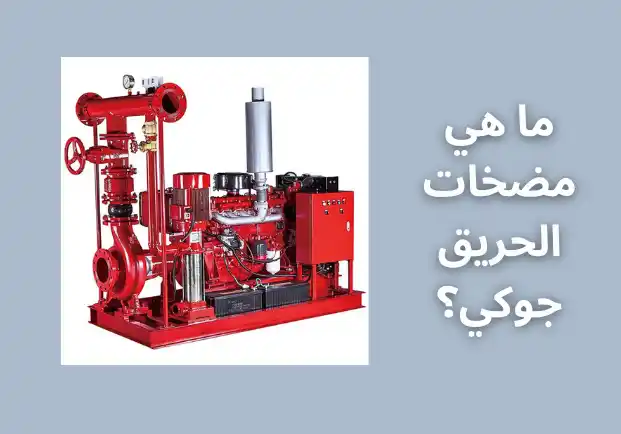
A jockey pump is an important component of a fire protection system, designed to maintain water pressure and keep the system ready for operation. By compensating for minor pressure losses, a jockey pump helps prevent unnecessary activation of the main fire pump.
Choosing the right type and size of jockey pump depends on factors such as system pressure, flow requirements, building height, and the design of the fire protection network. This guide explains the different types of jockey pumps, their functions, how they differ from fire pumps, and what to consider when selecting a jockey pump in Saudi Arabia.
What Is a Jockey Pump?
A jockey pump is a small pump used in fire protection systems to maintain the required pressure in the piping network. Unlike the main fire pump, which supplies a large volume of water during a fire, the jockey pump handles small pressure losses that occur during normal system operation.
When the pressure in the fire protection system drops slightly, the jockey pump starts automatically and restores the pressure to its required level. Once the pressure is restored, the pump stops.
Jockey pumps are commonly integrated with fire sprinkler, fire hydrant, and other water-based fire protection systems.
What Are Jockey Pumps Used For?
The primary purpose of a jockey pump is to maintain pressure in a firefighting system when there is no actual fire demand.
Jockey pumps are used to:
- Maintain the required system pressure.
- Compensate for minor pressure losses.
- Prevent unnecessary starting of the main fire pump.
- Keep sprinkler and fire hydrant systems pressurized.
- Help ensure the fire protection system remains ready for emergency operation.
- Reduce unnecessary cycling of the main fire pump.
Without a properly selected jockey pump, small leaks or normal pressure fluctuations could cause the main fire pump to start unnecessarily.
Why Is a Jockey Pump Necessary in Fire Protection Systems?
Fire protection systems need to remain pressurized so that water can be delivered quickly when a fire occurs. However, pressure can decrease for reasons that do not indicate an actual fire, such as small leaks, temperature changes, or minor pressure fluctuations.
The jockey pump responds to these relatively small pressure drops and restores the system pressure. This allows the main fire pump to remain available for situations that require a significantly greater water flow.
A properly designed jockey pump therefore supports the reliability and readiness of the overall fire protection system.
Types of Jockey Pumps
Different types of jockey pumps can be used depending on the requirements of the fire protection system. The most appropriate configuration depends on factors such as required pressure, flow rate, available space, system design, and project specifications.
Vertical Multistage Jockey Pumps
Vertical multistage pumps use multiple impellers arranged in stages to generate higher pressure while maintaining a relatively compact footprint.
They are commonly considered when a fire protection system requires higher pressure and available installation space is limited.
Potential advantages include:
- High pressure capability.
- Compact vertical design.
- Efficient operation for suitable applications.
- Suitable for systems with higher pressure requirements.
Horizontal Multistage Jockey Pumps
Horizontal multistage jockey pumps use multiple impellers in a horizontal configuration. They can be suitable for applications where the installation layout allows for a horizontal pump arrangement.
Their selection depends on the required pressure, flow, available space, and overall fire protection system design.
End-Suction Jockey Pumps
End-suction pumps have a relatively simple configuration and can be used for applications where the required pressure and flow characteristics are compatible with this type of pump.
The appropriate pump should always be selected based on the calculated requirements of the fire protection system rather than pump type alone.
Other Jockey Pump Configurations
Other pump configurations may be available depending on the manufacturer, project requirements, and fire protection system design.
For any installation, factors such as pressure, flow, pump curve, motor specifications, controller settings, and applicable project requirements should be evaluated before selecting the equipment. If you need help selecting the right fire pump or jockey pump for your facility, contact Al Safi Safety for professional guidance and fire protection solutions tailored to your project requirements.
Jockey Pump Function in Fire Protection Systems
The jockey pump works together with the main fire pump to maintain the pressure of the fire protection network.
A typical sequence works as follows:
- The fire protection system maintains a predetermined pressure.
- A minor pressure drop occurs.
- The pressure controller detects the drop.
- The jockey pump starts automatically.
- The jockey pump restores the system pressure.
- Once the required pressure is restored, the jockey pump stops.
- If there is a significant pressure drop caused by actual fire demand, the main fire pump is activated according to the system’s control settings.
This arrangement helps ensure that the main fire pump is available when it is genuinely needed.
Jockey Pump vs. Fire Pump
Although both pumps are part of a fire protection system, they perform different functions.
| Feature | Jockey Pump | Main Fire Pump |
|---|---|---|
| Primary purpose | Maintains system pressure | Supplies water during fire demand |
| Typical flow | Low | High |
| Pressure maintenance | Main function | Not its primary function |
| Normal operation | Handles minor pressure losses | Activated during significant demand |
| Role | Keeps the system pressurized | Provides firefighting water |
A jockey pump should not be considered a replacement for the main fire pump. Instead, both components work together as part of the overall fire protection system.
Different Types of Fire Pump Systems
Fire protection systems can use different types of fire pumps configurations depending on the building, water supply, fire hazards, and project requirements.
Common configurations include:
Electric Fire Pumps
Electric fire pumps use an electric motor to drive the pump and are commonly used where a suitable electrical power supply is available.
Diesel Fire Pumps
Diesel-driven fire pumps can provide an alternative or backup source of power where required by the system design and applicable requirements.
Jockey Pumps
Jockey pumps operate at lower flow rates and are primarily responsible for maintaining system pressure between periods of actual fire demand.
Fire Pump Packages
A complete fire pump package may combine the main fire pump, jockey pump, controllers, valves, and associated components as required by the system design.
How to Choose the Right Jockey Pump?
Selecting the correct jockey pump requires more than choosing a pump based on its pressure rating. The pump should match the requirements of the entire fire protection system.
Important factors include:
Required Pressure
Determine the pressure needed to maintain the fire protection network under normal conditions.
Flow Rate
The jockey pump should provide an appropriate flow rate for maintaining system pressure without being unnecessarily oversized.
Building Height
High-rise buildings may require different pressure requirements than low-rise facilities because of elevation and hydraulic losses.
Fire Protection System Design
The pump should be compatible with the sprinkler, hydrant, and piping configuration.
Water Supply
Available water supply and system conditions should be considered when selecting the pump.
Pump Configuration
Vertical multistage, horizontal multistage, end-suction, or other configurations may be suitable depending on the project.
Controller and Pressure Settings
The pump controller and pressure settings should be coordinated with the main fire pump and the overall system design.
Applicable Standards and Project Requirements
The selection and installation of fire protection equipment should follow applicable Saudi requirements, project specifications, and recognized fire protection standards.
If you need professional guidance in selecting the right jockey pump for your facility, Get in touch with Al Safi Safety for expert fire protection solutions, installation, testing, and maintenance services in Saudi Arabia.
Jockey Pump Sizing and Pressure Requirements
Correct jockey pump sizing is important for maintaining stable system pressure.
The pump should be capable of compensating for normal pressure losses without being unnecessarily large compared with the main fire pump.
Engineers typically consider:
- System pressure.
- Required flow.
- Pressure losses.
- Building height.
- Piping configuration.
- Sprinkler and hydrant requirements.
- Main fire pump characteristics.
- Start and stop pressure settings.
Improper sizing can lead to frequent starting and stopping, unstable pressure, or unnecessary operation of the equipment.
For this reason, jockey pump selection should be based on the actual hydraulic requirements of the fire protection system.
Jockey Pump Standards and Fire Protection Requirements in Saudi Arabia
Fire protection systems in Saudi Arabia may be subject to requirements from relevant authorities, project specifications, and recognized fire protection standards.
Depending on the project, requirements may involve:
- Saudi Civil Defense requirements.
- Saudi Building Code provisions.
- Applicable NFPA standards.
- Project-specific engineering specifications.
- Requirements from the relevant authority or consultant.
Because requirements can vary according to the type of facility and project, it is important to confirm the applicable requirements before purchasing or installing a jockey pump.
Jockey Pump Installation and Maintenance
Proper installation and regular maintenance help ensure that a jockey pump performs reliably.
Jockey Pump Installation
Installation should follow the manufacturer’s instructions and the approved fire protection system design. The pump, motor, controller, valves, piping, and pressure sensing components should be correctly installed and tested.
Pressure Switch and Controller
The controller and pressure settings should be configured correctly so that the jockey pump responds appropriately to system pressure changes.
Regular Inspection and Testing
Regular inspection can help identify problems such as pressure loss, leaks, electrical faults, or abnormal pump operation before they affect system performance.
Jockey Pump Maintenance
Maintenance may include checking:
- Pump performance.
- Motor operation.
- Pressure settings.
- Electrical connections.
- Valves and piping.
- Leaks.
- Controller operation.
- Unusual noise or vibration.
Maintenance schedules should follow applicable requirements and the equipment manufacturer’s recommendations. Regular fire pump maintenance is also essential to ensure reliable system performance, identify potential issues early, and keep the fire protection system ready when needed.
Common Jockey Pump Problems
Several issues can affect jockey pump performance.
Frequent Starting and Stopping
Frequent cycling can indicate incorrect pressure settings, leaks, or an improperly sized pump.
Pressure Loss
Continuous pressure loss may result from leaks or problems within the fire protection network.
Pump Not Starting
Potential causes include electrical problems, controller faults, pressure switch issues, or equipment failure.
Pump Running Continuously
Continuous operation may indicate that the pump cannot restore pressure, there is a significant leak, or the system settings require investigation.
Incorrect Pressure Settings
Incorrect start and stop settings can affect coordination between the jockey pump and main fire pump.
Professional inspection can help identify the cause and determine the appropriate solution.
Where to Buy Jockey Pumps in Saudi Arabia?
When looking for jockey pumps in Saudi Arabia, businesses and facility owners should consider more than the initial equipment price.
A reliable supplier should be able to provide appropriate equipment based on the fire protection system requirements and offer support such as:
- Pump selection.
- Fire protection system design support.
- Installation.
- Testing and commissioning.
- Maintenance.
- Spare parts and technical support.
- Assistance with applicable project requirements.
For projects in Saudi Arabia, working with an experienced fire protection company can help ensure that the selected jockey pump is compatible with the overall fire protection system. Al Safi Safety Company provides fire protection solutions in Saudi Arabia, including fire pump and jockey pump services, installation, testing, and maintenance. Our team can help businesses and facility owners select a suitable jockey pump based on their system requirements and project needs.
Jockey Pumps in Riyadh, Jeddah, and Across Saudi Arabia
Jockey pump requirements can vary depending on the building type, system design, and project specifications. If you are planning a fire protection project in Riyadh, Jeddah, or another Saudi city, the pump should be selected based on the specific requirements of the facility rather than location alone.
Frequently Asked Questions About Jockey Pumps
What is a jockey pump in a fire protection system?
A jockey pump is a small pump used to maintain pressure in a fire protection system and compensate for minor pressure losses.
What are the different types of jockey pumps?
Common configurations include vertical multistage, horizontal multistage, and end-suction jockey pumps. The appropriate type depends on the system’s pressure, flow, space, and design requirements.
What is the purpose of a jockey pump?
Its main purpose is to maintain system pressure and prevent unnecessary activation of the main fire pump due to minor pressure losses.
What is the difference between a jockey pump and a fire pump?
A jockey pump maintains system pressure at a relatively low flow rate, while the main fire pump provides the higher water flow required during significant fire demand.
How does a jockey pump maintain pressure?
When system pressure drops below a predetermined setting, the pressure controller starts the jockey pump. The pump restores pressure and stops once the required pressure is reached.
How do I choose the right jockey pump?
Selection depends on factors including required pressure, flow rate, building height, fire protection system design, water supply, pump configuration, and applicable project requirements.