





Water Based Fire Suppression System | Components and How it Works?

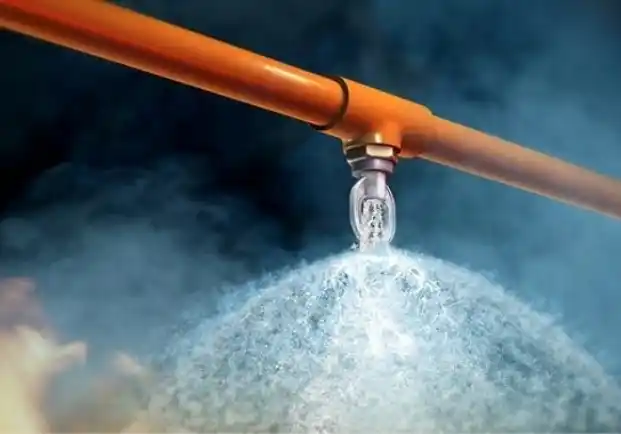
Water based fire suppression system are among the most widely used fire protection solutions for controlling and extinguishing fires in commercial, industrial, and residential buildings. These systems use water to cool burning materials, reduce heat, and prevent the fire from spreading. Depending on the building and its fire risks, a water-based system may include sprinklers, pipes, valves, pumps, water tanks, and other components designed to deliver an adequate water supply when a fire occurs.
What Makes Water Fire Suppression Systems Effective?
Water fire suppression systems are effective because water absorbs a significant amount of heat and helps reduce the temperature of the fire and surrounding materials.
When sprinkler heads activate at a specific temperature, they release water directly over the affected area, helping control the fire before it spreads.
Properly designed systems can provide rapid fire response and consistent coverage across large areas, making them suitable for many types of buildings and facilities.
Why Choose Water-Based Fire Suppression Systems?
- Water-based fire suppression systems offer several advantages, including reliable performance, relatively simple operation, and broad suitability for common fire risks.
- They can provide continuous protection throughout a building and can be integrated with fire alarm system and fire pump.
- Water is also widely available and does not generally create the same cleanup or environmental concerns associated with some chemical suppression agents.
- However, the system must be properly designed according to the building’s layout, occupancy, fire hazards, and applicable safety requirements.
Where Are Water Fire Suppression Systems Most Effective?
- Water fire suppression systems are particularly effective in buildings where ordinary combustible materials such as paper, wood, textiles, packaging, and other solid materials are present.
- They are commonly used in offices, warehouses, shopping centers, hotels, schools, hospitals, residential buildings, and many industrial facilities.
- Automatic sprinkler systems can be especially valuable in large or occupied buildings because they can detect and control a developing fire quickly, helping reduce property damage and improve occupant safety.
If you need a reliable water fire suppression system for your facility, Al Safi Safety can help assess your fire protection requirements and provide professional design, installation, testing, and maintenance solutions tailored to your building. Contact us today to discuss the right fire protection solution for your facility.
Where Water Fire Suppression Systems May Not Be Ideal?
- Although water is effective for many common fire hazards, it is not suitable for every type of fire.
- Water should generally not be used directly on energized electrical equipment or certain flammable-liquid and combustible-metal fires because it may increase the risk of electrical shock or cause the fire to spread.
- Facilities containing sensitive equipment, specialized machinery, or high-value electronics may require alternative or supplementary fire suppression systems, such as clean-agent or other specialized systems.
- A professional fire protection assessment should be conducted before selecting the appropriate solution.
- Types of Water Fire Suppression Systems
Types of Water Fire Suppression Systems
There are several types of water fire suppression systems, with the most suitable option depending on the building’s environment and fire risks.
Common systems include wet pipe sprinkler systems, which contain pressurized water in the pipes; dry pipe systems, where the pipes contain pressurized air until activation; pre-action systems, which use additional detection and control measures before releasing water; and deluge systems, which release water through multiple open nozzles when the system is activated.
Fire hydrant system and hose systems are also water-based fire protection solutions used for manual firefighting.
Key Factors to Consider Before Installation
- Before installing a water fire suppression system, it is important to evaluate the building’s size, occupancy, layout, fire hazards, water supply, required water pressure, and applicable fire safety regulations.
- The system should be professionally designed to provide appropriate coverage and sufficient water flow throughout the protected area.
- Other considerations include the capacity of the fire water tank, fire pumps, pipe network, sprinkler or nozzle selection, maintenance requirements, and integration with other fire protection systems.
- Choosing an experienced fire protection provider can help ensure that the system is properly designed, installed, tested, and maintained.
Professional Water Fire Suppression System Solutions
Choosing and installing the right water fire suppression system requires careful consideration of the building’s fire risks, water supply, layout, and applicable safety requirements.
A professionally designed system can help provide reliable protection and effective fire control when it is needed most.
If you are looking for professional water fire suppression system design, installation, testing, or maintenance, contact Al Safi Safety to discuss your facility’s requirements and find a suitable fire protection solution.
Frequently Asked Questions About Water Fire Suppression Systems
What is a water fire suppression system?
A water fire suppression system is a fire protection system that uses water to control or extinguish fires. It typically includes components such as pipes, sprinkler heads or nozzles, valves, fire pumps, and a water supply.
How does a water fire suppression system work?
When a fire causes the temperature around a sprinkler head to reach its activation point, the sprinkler opens and releases water over the affected area. The water helps absorb heat and control the fire, limiting its spread until the fire is fully extinguished or emergency responders arrive.
What types of buildings use water fire suppression systems?
Water fire suppression systems are commonly used in offices, warehouses, hotels, shopping centers, schools, hospitals, residential buildings, and industrial facilities. The appropriate system depends on the building’s occupancy, layout, and fire hazards.
Are water fire suppression systems suitable for electrical fires?
Water is generally not suitable for directly fighting energized electrical equipment because of the risk of electrical shock and equipment damage. Facilities with significant electrical or sensitive equipment may require specialized fire suppression solutions designed for those hazards.
What is the difference between wet pipe and dry pipe sprinkler systems?
A wet pipe system keeps water inside the pipes and releases it when a sprinkler activates. A dry pipe system uses pressurized air or nitrogen inside the pipes, with water entering the system after a sprinkler activates. Dry pipe systems are commonly considered for areas where freezing temperatures could cause water-filled pipes to freeze.
How often should a water fire suppression system be inspected?
Inspection and maintenance should be performed according to the system’s design, manufacturer requirements, applicable safety standards, and local regulations. Regular inspections help identify issues with sprinkler heads, valves, pumps, water pressure, and other components before they affect system performance.
How do I choose the right water fire suppression system?
The right system depends on factors such as the type of building, occupancy, fire hazards, floor area, water supply, required pressure and flow, and applicable fire safety requirements. A qualified fire protection professional can assess the facility and recommend an appropriate system.