






Depressurized Fire Extinguishers: Risks, Causes, and Prevention

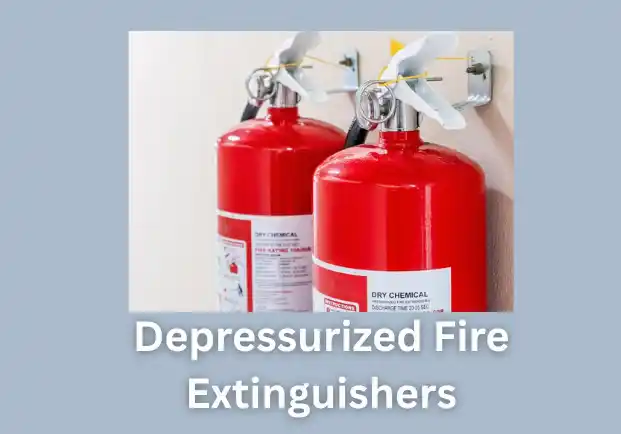
Fire extinguishers are one of the most important fire protection tools used to control small fires before they spread and cause severe damage. However, many businesses and property owners overlook routine fire extinguisher maintenance, which can lead to depressurized fire extinguishers that may fail during emergencies. Proper pressure levels are essential for ensuring extinguishers operate effectively when needed. Regular inspections, maintenance, and fire safety compliance checks help reduce risks, improve emergency preparedness, and ensure reliable fire protection systems for commercial and residential properties.
What Is a Depressurized Fire Extinguisher?
A depressurized fire extinguisher is an extinguisher that has lost the internal pressure required to discharge the extinguishing agent properly. All types of fire extinguishers rely on pressurized gas to release chemicals or water onto a fire during an emergency. When pressure drops below the recommended level, the extinguisher may not function correctly or could fail completely.
Most extinguishers include a pressure gauge that indicates whether the pressure is within the safe operating range. If the gauge needle points to the red zone, it may indicate the extinguisher is depressurized and requires immediate inspection or servicing.
Proper pressure is critical because it ensures:
- Fast fire suppression
- Reliable emergency response
- Compliance with fire safety regulations
- Protection of people and property
Why Fire Extinguishers Lose Pressure Over Time?
Several factors can cause fire extinguishers to lose pressure gradually over time. Understanding these causes helps property owners maintain their fire safety equipment properly.
Leakage
Small leaks around valves, hoses, or seals can slowly reduce internal pressure.
Damaged Seals
Worn or damaged seals may allow compressed gas to escape.
Temperature Changes
Extreme heat or cold can affect internal pressure levels and damage extinguisher components.
Corrosion and Rust
Moisture exposure may weaken the cylinder and create pressure leaks.
Improper Storage
Poor storage conditions may damage the extinguisher and reduce its effectiveness.
Lack of Maintenance
Ignoring routine fire extinguisher inspections increases the risk of unnoticed depressurization.
Expired Fire Extinguishers
Older extinguishers may lose pressure naturally as components wear out over time.
The Dangers of Depressurized Fire Extinguishers
Depressurized fire extinguishers create serious safety risks because they may fail during critical situations when immediate fire suppression is needed. While fire extinguishers are an essential part of any firefighting system, they must function properly to provide effective first-response protection.
Some of the major dangers include:
- Failure to control fires quickly
- Increased property damage
- Higher risk of injuries or fatalities
- Delayed emergency response
- Non-compliance with fire safety regulations
- Potential civil defense violations
- Insurance and liability concerns
In commercial facilities, malfunctioning extinguishers may also result in failed safety inspections or penalties from regulatory authorities.
Signs Your Fire Extinguisher May Be Depressurized
There are several warning signs that may indicate your fire extinguisher has lost pressure and requires maintenance.
Low Pressure Gauge Reading
The gauge needle points outside the green operating zone.
Damaged Hose or Nozzle
Cracks or damage may lead to leakage.
Broken Safety Pin
Missing or damaged safety components may affect performance.
Corrosion or Rust
Visible corrosion can weaken the extinguisher body.
Leakage
Powder residue or moisture near the valve may indicate gas leakage.
Missing Inspection Tags
Lack of maintenance records may mean the extinguisher has not been serviced properly.
Regular visual inspections help identify these issues before emergencies occur.
What to Do When Fire Extinguisher Depressurization Occurs?
If you discover a depressurized fire extinguisher, it is important to act immediately to maintain fire safety compliance and protection.
Recommended steps include:
- Stop relying on the extinguisher during emergencies
- Schedule a professional inspection
- Recharge the extinguisher if possible
- Replace damaged or expired extinguishers
- Contact certified fire protection specialists
- Perform regular maintenance checks
Never ignore a depressurized extinguisher, as it may fail when you need it most.
How Regular Fire Extinguisher Inspections Prevent Pressure Loss?
Routine inspections and maintenance are essential for ensuring fire extinguishers remain fully operational at all times.
Regular inspections help:
- Detect pressure loss early
- Identify damaged components
- Prevent equipment failure
- Maintain compliance with fire safety standards
- Improve workplace safety
Professional fire extinguisher maintenance should include:
- Monthly visual inspections
- Annual servicing
- Pressure testing
- Recharging when necessary
- Compliance checks according to NFPA standards and local regulations
Preventive maintenance significantly reduces the risk of malfunction during emergencies.
Commercial and Residential Fire Prevention From Alsafi Safety
AlSafi Safety provides professional fire protection solutions for commercial, industrial, and residential properties across Saudi Arabia. Our team specializes in fire extinguisher inspection, maintenance, installation, and fire safety compliance services designed to keep your facility protected and fully compliant with civil defense requirements.
Why choose AlSafi Safety?
- Certified fire safety specialists
- Professional extinguisher inspections
- Fire protection system maintenance
- Fast emergency support
- Civil defense-approved solutions
- Reliable fire prevention services
You can contact AlSafi Safety today to schedule a professional fire extinguisher inspection and ensure your property remains protected against fire hazards.
FAQ
What causes a fire extinguisher to lose pressure?
Pressure loss can occur because of leakage, damaged seals, corrosion, temperature changes, or lack of maintenance.
Can a depressurized fire extinguisher still work?
In many cases, a depressurized extinguisher may not discharge properly and should be inspected immediately.
How do I know if my fire extinguisher is depressurized?
Check the pressure gauge. If the needle is outside the green zone, the extinguisher may have lost pressure.
Why is fire extinguisher maintenance important?
Regular maintenance ensures extinguishers function correctly during emergencies and helps maintain fire safety compliance.
What Does It Mean When a Fire Extinguisher Is Depressurized?
A depressurized fire extinguisher has lost the pressure needed to discharge its extinguishing agent properly, making it unreliable during a fire emergency.
How Do You Depressurize a Fire Extinguisher?
Only trained professionals should depressurize a fire extinguisher during maintenance, recharging, or disposal. Improper handling can be dangerous.