





Fire Sprinkler System: Complete Guide to Automatic Fire Protection Systems

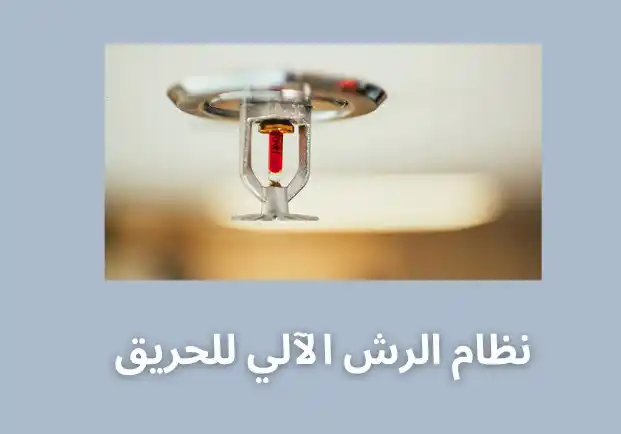
A fire sprinkler system is one of the most effective fire protection solutions used to detect and control fires before they spread and cause severe damage. Modern residential, commercial, and industrial buildings rely on automatic fire sprinkler systems to improve safety, reduce fire risks, and comply with fire protection regulations and civil defense requirements.
Installing a reliable fire sprinkler system not only protects lives and property but also minimizes business interruption and financial losses caused by fire incidents. In this guide, we will explain how fire sprinkler systems work, their main components, installation process, and the most common mistakes to avoid.
What Is a Fire Sprinkler System?
A fire sprinkler system is an automatic firefighting system designed to detect heat generated by a fire and release water through sprinkler heads to control or extinguish the fire at its early stage. These systems are widely used in offices, warehouses, factories, shopping malls, hotels, hospitals, and residential buildings.
Unlike what many people believe, sprinkler heads do not all activate at once. Only the sprinkler head exposed to high temperatures is triggered, helping reduce water damage while controlling the fire effectively.
Main Components of a Fire Sprinkler System
A fire sprinkler system consists of several essential components that work together to provide fast fire response and protection.
Sprinkler Heads
Sprinkler heads release water automatically when heat reaches a specific temperature.
Pipes Network
The piping system distributes water throughout the building to connected sprinkler heads.
Control Valves
These valves regulate water flow inside the system and allow maintenance and emergency shut-off.
Water Supply
The system requires a reliable water source such as water tanks, pumps, or municipal water supply.
Fire Pump
Fire pumps increase water pressure to ensure proper water flow during emergencies.
Alarm Valve
The alarm valve activates the fire alarm system when water begins flowing through the sprinklers.
How an Automatic Fire Sprinkler System Works
An automatic fire sprinkler system operates by detecting heat rather than smoke. When a fire starts, the temperature near the sprinkler head rises. Once it reaches the activation point, the heat-sensitive element inside the sprinkler head breaks, allowing water to flow directly onto the fire.
This immediate response helps:
- Slow down fire spread
- Protect occupants
- Reduce property damage
- Support evacuation procedures
- Assist firefighters in controlling the incident
Because the system responds automatically, it significantly improves fire safety and minimizes risks in commercial and industrial facilities. If you are looking for a reliable fire protection solution for your building or business, contact AlSafi Safety today for professional fire sprinkler system installation, maintenance, and civil defense-approved safety solutions tailored to your facility’s needs.
Types of Fire Sprinkler Systems
Different buildings require different fire sprinkler solutions depending on the level of fire risk and environmental conditions.
Wet Pipe Fire Sprinkler System
The most common type where pipes remain filled with water at all times for immediate response.
Dry Pipe Fire Sprinkler System
Uses pressurized air inside pipes and is commonly installed in cold environments where pipes may freeze.
Pre-Action Fire Sprinkler System
Requires additional detection before water is released, making it ideal for data centers and sensitive environments.
Deluge Fire Sprinkler System
All sprinkler heads remain open, and water is released simultaneously in high-hazard areas such as industrial facilities.
Fire Sprinkler System Installation Process
Installing a fire sprinkler system requires careful planning and compliance with fire safety standards.
Site Inspection and Risk Assessment
Engineers evaluate the building layout, fire hazards, and safety requirements.
System Design
The fire sprinkler system is designed according to NFPA standards and local civil defense regulations.
Equipment Selection
Choosing suitable sprinkler heads, pumps, pipes, and valves based on building requirements.
Installation
Professional technicians install the piping network, sprinkler heads, and control systems.
Testing and Commissioning
The system undergoes pressure testing and operational checks to ensure proper performance.
Civil Defense Approval
The final step includes inspections and approvals from relevant fire safety authorities.
Read About: Types of sprinkler systems
Checklist Before Installing a Fire Sprinkler System
Before installing a fire sprinkler system, ensure the following:
- Building fire risks are properly evaluated
- The system complies with local fire codes
- A reliable water supply is available
- Fire pumps are correctly sized
- Certified fire protection equipment is used
- Installation is performed by qualified specialists
- Regular maintenance plans are prepared
Proper planning helps improve system efficiency and reduces future operational problems.
Common Mistakes to Avoid
Many businesses make critical mistakes when installing fire sprinkler systems, including:
Choosing Low-Quality Equipment
Poor-quality components may fail during emergencies.
Ignoring Maintenance
Lack of regular inspection can reduce system reliability.
Incorrect System Design
Improper coverage leaves areas unprotected.
Non-Compliance with Fire Codes
Failure to follow civil defense regulations may lead to penalties or project rejection.
Hiring Unqualified Contractors
Experienced fire safety professionals are essential for proper installation and testing.
Avoiding these mistakes improves system performance and ensures long-term protection.
Why AlSafi for Safety Is the Best?
AlSafi Safety provides professional fire protection solutions designed to meet the highest safety standards and civil defense requirements in Saudi Arabia. Our team specializes in fire sprinkler system design, installation, testing, and maintenance for commercial, industrial, and residential facilities.
Why choose AlSafi Safety?
- Certified fire protection specialists
- High-quality fire sprinkler equipment
- Compliance with civil defense regulations
- Customized fire safety solutions
- Fast installation and maintenance services
- Professional technical support
You can contact AlSafi Safety today to protect your facility with reliable and efficient fire sprinkler systems tailored to your safety requirements.
FAQ
What is the purpose of a fire sprinkler system?
A fire sprinkler system helps detect and control fires automatically before they spread and cause severe damage.
Do all sprinkler heads activate at the same time?
No, only the sprinkler head exposed to high heat activates.
Are fire sprinkler systems required by civil defense?
Yes, many commercial and industrial facilities are required to install fire sprinkler systems to comply with fire safety regulations.
How often should fire sprinkler systems be inspected?
Fire sprinkler systems should be inspected and maintained regularly according to NFPA standards and local regulations.
What is the most common type of fire sprinkler system?
The wet pipe fire sprinkler system is the most commonly used due to its fast response and simple design.
Can fire sprinkler systems reduce property damage?
Yes, automatic fire sprinkler systems help control fires quickly, reducing damage and improving safety.